What is Redwood and why people are confused
Fusion Sales
Blog Owner and Author:
Cesar Guerrero
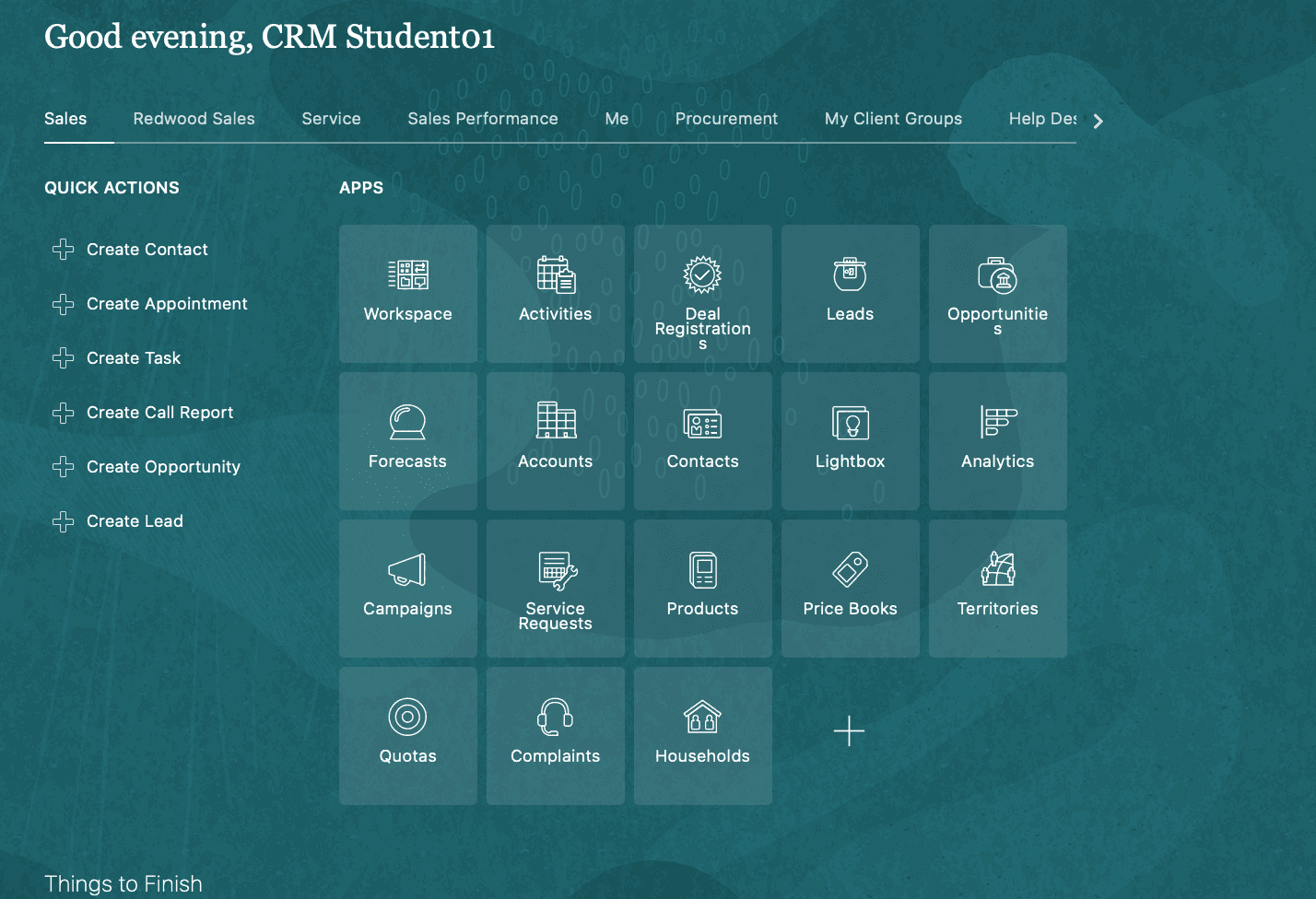
What is Redwood and why is it confusing
When I first heard about Redwood I understood it as a new design system for Fusion. A new, consistent look and feel where the different modules would be consistent even with customization. Where designers would have prebuilt elements, text, spacing and color to reference when designing a new interaction. This did happen, but not it the way that I thought it would. There was a Figma design system published by Oracle where designers could reference. The design system can be found in Oracles, Figma template catalog.
Where confusion often comes in is that Redwood didn’t stop at being a Figma design system.
Currently Redwood is much more than a design system, or theme. Oracle has evolved the Redwood design system concept to a new front end. By moving away from the classic UI Fusion has become more effective processing data.
How Redwood fits into Fusion CX architecture
To understand Redwood architecturally, it is important to compare it to what many of us are used; ADF or the Classing UI/theme.
ADF pages put a heavy tax when a page loads as it processes a page all at once, rather than loading individual sections. A very common issue that I found in previous implementation were performance limitations, when too many records would load causing delayed loading times. Another scenario where I would run into this was was especially with overly customized pages.
Redwood, on the other hand, is built with components. Where pages load by individual sections rather than as a whole. This happens through Oracle's JET based front-end architecture. From a performance perspective it reduces load times.
From an implementation standpoint Redwood enables us to build more flexible layouts, and a consistent experience across modules, ERP, HCM, and CX.
My guidance for Redwood adoption and implementations
Redwood has opened the door for teams to take a more intentional approach when it comes to delivering custom experiences. In past projects, UI considerations were limited through ADF, which cause several road blocks and customer disappointments. With Redwood, those constraints are reduced. Giving us (implementers) an opportunity to better align a clients wants and needs. Personally, I believe that utilizing a Scrum based delivery with UX and UI considerations implementations are better executed. This is because scrum encourages us to adapt and encourages us to plan, design, test, and refine user experiences incrementally. This approach can support implementers to build an Redwood experience with purpose.